Animals
Cities
Disasters
Entertainment
Food
Government
Health
Industry
Insects
Military
Nature
People
Sports
Technology
Universe
Vehicles
Explore over 500,000 Images in my personal collection
real images | real history | no AI

|
|
- Code Number:
- TOED01_042B
- Title:
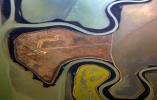
- Heart, Coyote Creek, Mud Slough, blood red, salt ponds, Fremont, 8 December 2006
- These colorful salt ponds get their color depending on their salt concentrations which then host various species of algae and other microorganisms. These varieties of algae and microorganisms are colored from strong reds to pinks to pale green. Blue is usually just caused by the reflecting sky in the calm waters of a salt evaporation pond.
The green algae spcies such as Dunaliella salina give the green tint and are associated with low to mid salinity ponds. Sometimes this species also can take on an orange hue.
Halobacteria come from a group known as halophilic Archaea (sometimes called Haloarchaea) and give off colors ranging from pink, red and orange. These colors are associated with middle to high salinity evaporating ponds.
There are also additional algae which contribute to the tints, these come from the genus known as Stichococcus.
Enviornemental factors such as time of day, the reflectivity of water, wind conditions, and other factors will mix with the colors. So depending on wind and sky conditions a blue sky can add a wonderful variety of blue/cyan hues that mix in with the true organisms color. Sunsets too can create a panoply of warmer colors that can dominate their particular influence of color. As you can see here the colors are dramatic yet true. - Keywords:
- Image by:
- Wernher Krutein
- Caption Disclaimer
Royalty Free: Calculate Price